hanip.me
Mugeun namul
묵은나물 모둠
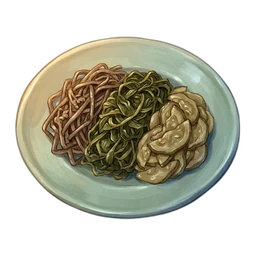
Dried vegetables are soaked, cooked and seasoned for a platter of namul.
Before the first bite
- Spice
- Not spicy
- Texture
- Mixed textures
Varies by restaurantDried vegetables, oil and soy-based seasoning change the aroma and texture.
How to order it in Korea
- Distinguish ready-seasoned side dishes from uncooked dried ingredients. The preparation needed at home differs. Follow the instructions for each vegetable rather than assuming all dried ingredients can be handled identically.
- Check whether a set includes rice as well as namul. Read the supplied contents instead of relying on a styled photograph. Separate packaging can help when diners prefer different vegetables.
- Taste the rice and namul together before adding more seasoning. Follow the provided storage instructions for any leftovers, keeping the different vegetables identifiable.
When it may suit the table
- Choose a platter when you want to compare several vegetables. With mixed-grain rice, different namul create changing combinations. Start with small portions of each rather than a large mixed helping.
- For a first Daeboreum table, identifying the vegetables can be part of the experience. Choose vegetables you want to taste, check their seasoning with the rice, and divide small amounts among the diners.
When another path may fit better
- If you want the cold crunch of fresh-cut vegetables, this cooked dried-vegetable dish may not match that preference. Also decide whether you need a side dish or a full meal; a platter does not imply rice and soup.
Taste and texture
About the dish
Mugeun namul is made by rehydrating dried vegetables, cooking them and adding seasoning. The name refers to using stored dried vegetables, not to keeping a finished side dish for a long time. An assortment may include dried squash, eggplant, bracken, radish greens or taro stems.
On Jeongwol Daeboreum, it accompanies ogokbap as separate sides. A namul platter is not itself a complete rice bowl, so plan the rice, vegetables and nuts separately.
Preparation follows each vegetable's condition. After soaking, boiling and draining, vegetables can be seasoned and stir-fried with perilla or sesame oil. Cooking, seasoning and oil vary between recipes.
Taste and texture
The contrast between leaves, stems and slices is central to a mixed namul plate. Try each variety before mixing them. Soaking and cooking affect tenderness, so the same vegetable can feel different in different preparations.
Judge seasoning with the rice you will eat alongside it. Before adding sauce to a mixed bowl, taste the seasoning already in the vegetables. Adjust the combination to favour either the oil's richness or the individual vegetable aromas.
More guides in this category
Checked sources
Reviewed 2026-10-30 · Next check 2027-04-30