hanip.me
Patjuk
팥죽
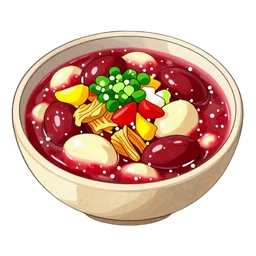
Soft red bean porridge surrounds small, chewy rice dumplings.
Before the first bite
- Spice
- Not spicy
- Texture
- Soft · Chewy
Varies by restaurantRice, rice balls, straining and sweetness vary.
How to order it in Korea
- Ask whether the bowl contains rice, rice balls or both. A photograph does not establish the included amount or available extras. Explaining that you want a smooth bowl or visible softened rice is clearer than asking only for a rich porridge.
- Find out whether it is already sweetened and whether sugar or salt is served separately. This lets you taste the base seasoning first. For takeaway, explain when you plan to eat and follow any reheating instructions provided with the container.
When it may suit the table
- Choose it when you want a spoonable bowl instead of separate rice and soup. Decide whether you prefer softened rice or chewy rice balls, then check the portion to see whether it suits a meal or a snack.
- It also suits a shared winter-solstice table. Individual bowls make it easier for people to adjust their portions and seasoning.
When another path may fit better
- If you want crisp fried food or a distinctly chewy meat dish at the center of the meal, its soft consistency may not be what you are seeking. Rice and rice balls add texture, but the bowl remains a porridge.
- A mildly seasoned meal bowl and a small sweet dessert can meet very different expectations. Decide on sweetness and portion first. If the bean aroma or fine graininess does not appeal, compare porridges based on other ingredients.
At the restaurant
- Accompaniments can introduce a contrast to the soft porridge. If dongchimi is served, its crisp radish and cool liquid offer a different texture between spoonfuls. Ask about it when ordering if that pairing matters to you.
- Stir gently before serving to distribute the rice balls. When sharing, ladle both porridge and solids into each bowl. Take time to notice the warmth and the contrast between the bean mixture and the rice balls.
Taste and texture
About the dish
Patjuk is made by cooking red beans until tender, then mashing or straining them and simmering the mixture with water. Some versions include rice for a bowl meal; others add saealsim, small balls of glutinous rice dough. Rice grains, rice balls and the level of sweetness give different versions noticeably different characters.
Eating patjuk at Dongji, the winter solstice, is one of its best-known cultural associations. Historical customs connected the beans' red color with warding off misfortune, and porridge was shared with neighbors. Today, it can be a way to enjoy a seasonal food together. It is also a choice beyond the solstice whenever its bean flavor and soft consistency appeal.
The names patjuk and danpatjuk offer a clue to sweetness, but do not specify every recipe. For a meal, ask about the rice or rice balls included. For dessert, consider the portion and how sweet the porridge is.
Taste and texture
Notice the bean flavor before focusing on sweetness. Finely strained porridge feels smoother, while a less finely mashed version retains small particles. A darker reddish-brown color alone does not tell you how sweet or thick the bowl will be; judge it by a spoonful.
Saealsim create a chewy contrast within the soft bean mixture. In versions made with rice, softened grains contribute more substance. Sweetened porridge adds a sweet finish to the earthy bean flavor. Taste before adding anything, and if sugar is served separately, add a little at a time to reach the sweetness you prefer.
More guides in this category
Checked sources
Reviewed 2026-10-30 · Next check 2027-04-30