hanip.me
Jokbal
족발
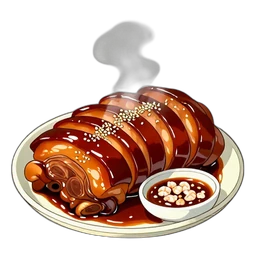
Jokbal is pig's feet braised for a long time in a soy-ginger seasoning, prized for its chewy texture.
Before the first bite
- Spice
- Not spicy
- Texture
- Chewy · Tender
- Bones
- Depends on the style
- Serving
- Usually shared
Varies by restaurantVariations include a spicy-seasoned version and naengchae-jokbal, tossed cold with vegetables. For dietary restrictions or allergies, ask the restaurant whether the food contains your trigger ingredients.
Taste and texture
Jokbal is pig's feet simmered with soy sauce, ginger and other seasonings, then sliced for serving and sharing.
Skin-on trotters need surface preparation before the bones and meat are cooked together. Recipes remove remaining hair, soak and parboil the meat, then wash away foam and residue. The first liquid is discarded before fresh braising seasoning is added. The large pieces then need extended cooking to soften both meat and skin.
Braising aromatics can include onion, scallion, garlic, ginger, apple and jujubes, with cinnamon, star anise, peppercorns, dried shiitake or bay leaves in different recipes. A tied pouch keeps small pieces together for removal. The finished plate may show no spices, while their infused aromas remain in the meat and skin.
Soy sauce forms the salty brown base, with sugar or rice syrup in some recipes. Doenjang or dark soy may be added, and plum syrup can contribute aroma and slight acidity. Sweeteners belong to the braising liquid as well as possible dips; reduced seasoning remains on the skin as a glossy coating.
Turning a large trotter during braising exposes its surfaces more evenly to the liquid. An uncovered finish with liquid spooned over it deepens the surface colour and gloss. Piece size affects cooking time, and water may need replenishing. After a brief cooling period, large sections of meat are removed from the bones and sliced.
A home variation braises pre-boned trotters while retaining the skin. Smaller boneless pieces expose different surfaces to seasoning and change the size being cooked. They are sliced after cooking without a final deboning step. Retaining skin preserves the characteristic combination, unlike using only skinless lean meat.
One spicy version coats already-tender jokbal in chili flakes, garlic and its braising liquid, then briefly broils the sauced meat and small bone pieces. The chili layer sits over the soy flavour absorbed during the first cooking. The added sauce and heated finish give the same braised meat a different heat and surface texture.
Pigs' feet are boiled and braised in seasoning that can include soy sauce and ginger. The chewy skin and softer meat give a different bite from other pork cuts. A spicy version adds heat to that same combination of textures.
A thin slice shows outer skin over meat. Chewy skin resists differently from the tender fibres inside. Skin-heavy and meatier pieces therefore offer different proportions on the same plate. The soy-seasoned surface meets the mouth first, followed by the softer interior as the slice is chewed.
The naengchae-jokbal described in Busan's Bupyeong Market combines sliced trotters with cucumber, carrot, jellyfish strips and mustard sauce. Cool, chewy pork meets crisp vegetables and firm jellyfish. Mustard's nose-tingling sharpness differs from red-chili heat. Lifting them together from the shallow sauce adds cool, moist ingredients to a meaty bite.
A saeujeot dip can combine salty tiny shrimp with garlic, scallion and chili flakes. Ssamjang may mix doenjang and gochujang with chopped vegetables, sesame oil and seeds for a thicker texture. These add flavour separately from the braising liquid. Lettuce wraps with pork, garlic and chili add moisture and raw-garlic sharpness around the skin and meat.
When it may suit the table
- You want a dish to enjoy slowly as evening drinking food
- You need a dish to share among a group
When another path may fit better
- You need a light, mild meal
- Handling bone-in cuts feels like a hassle
How to order it in Korea
- First check whether it is the standard soy-seasoned style or a version with added spicy sauce. Names such as naengchae jokbal indicate a different preparation, so do not assume every option tastes like the basic dish. Agree on the seasoning first if someone sharing avoids heat.
- Portions are usually meant for sharing, so ask if the size fits your group.
Show the Korean nameName and a short phrase
Use this to point out the food or say its name. Check the food-specific ordering tips above first.
족발
Save, share or print an image
More guides in this category
Checked sources
Reviewed 2026-09-13 · Next check 2027-03-03