hanip.me
Abalone porridge
전복죽
Abalone adds savoury flavour and chewy pieces to a moist rice porridge.
Before the first bite
- Spice
- Not spicy
- Texture
- Soft · Chewy
- Serving
- Usually individual
Varies by restaurantThe size and amount of abalone, and whether its innards are used, change the texture and aroma.
How to order it in Korea
- At a porridge shop, distinguish basic abalone porridge from an innard-based version. Bonjuk & Bibimbap lists these separately, alongside versions with more abalone. More flesh and a stronger innard flavour are different preferences.
- For takeaway, decide where and when you will eat. Bonorder separates delivery, pickup and dine-in options; choose the route that fits a seated meal when the bowl arrives.
When it may suit the table
- Choose it when you want a warm, spoon-centred meal in one bowl, with rice and pieces together rather than separate bites of rice and sides. It combines an abalone bite with an overall moist texture.
- It also suits someone who enjoys seafood aroma and small contrasts in texture. Look at an innard-based version for that flavour, or a simpler rice-and-flesh version as a starting point.
When another path may fit better
- For finely distributed meat and vegetables instead of abalone’s spring and seafood aroma, consider beef and vegetable porridge. Both are spoonable, but their pieces give a different bite.
- If you want a thinner soup than porridge, with rice separately, compare seolleongtang when beef broth appeals. Porridge has rice softened into its liquid; soup lets you decide how much rice to add.
At the restaurant
- Start with a small, shallow spoonful near the edge to judge temperature and consistency. Alternate rice-only bites with bites containing abalone to explore both textures.
- If seaweed comes separately, add it to selected spoonfuls so you can alternate its aroma with the abalone. Adjust individual bites according to how much of the meal you want to devote to sides.
Taste and texture
About the dish
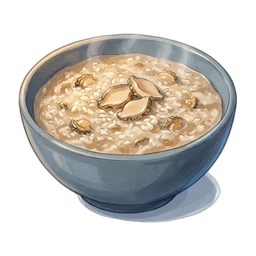
Jeonbokjuk is a meal of rice simmered with water and abalone. Unlike a rice bowl with distinct grains, its rice and liquid form a spoonable base. A spoonful without a large piece still carries flavour; abalone adds a separate bite.
It is not necessarily a whole abalone served in a bowl. Chopped or sliced flesh is often distributed through the porridge. When looking at a menu photo, consider whether you prefer small pieces spread throughout or larger pieces to seek out and chew.
Some versions include abalone innards. A Jeju-style version using them develops a greenish colour; they can also be omitted. A darker bowl can therefore suggest a difference in innards and aroma rather than chilli heat.
Sesame oil adds a roasted aroma. One method begins by sautéing abalone in it. Simmering follows, so the finished dish has a moist texture rather than the dry surface of grilled shellfish.
Vegetables and seaweed also appear in variations. One combination uses carrot and scallions with seaweed served alongside. These add small changes in colour and aroma, while rice consistency and the presence of abalone remain useful priorities when choosing a bowl.
Taste and texture
The rice base is soft, while the abalone has more spring. Soft porridge does not mean every ingredient has the same texture. A spoonful containing both contrasts smooth rice with a piece to chew; rice alone makes the softened grains more apparent.
A looser porridge runs off the spoon, whereas a thicker one stays together. Consider whether you want a fluid spoonful or a more substantial mound of rice.
Try the first spoonful without sides if you want to notice the abalone. Then add a little seaweed or a savoury accompaniment to individual bites, comparing their contribution before mixing everything into the bowl.
More guides in this category
Checked sources
Reviewed 2026-10-24 · Next check 2027-04-24