hanip.me
Beef and vegetable porridge
소고기야채죽
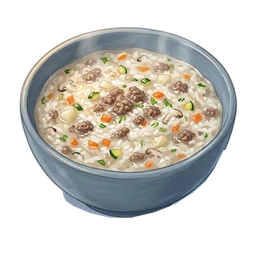
A warm rice porridge with finely divided beef and vegetables in each spoonful.
Before the first bite
- Spice
- Not spicy
- Texture
- Soft · Mixed textures
- Serving
- Usually individual
Varies by restaurantVegetable choice, chopping size, consistency and toppings change the bite.
How to order it in Korea
- The Korean menu name has two spellings, romanized as sogogi-yachaejuk and soegogi-yachaejuk. Distinguish a mixed-vegetable bowl from a separate dish emphasising mushrooms or another ingredient.
- Bonjuk & Bibimbap separates the base porridge from choices such as brown rice, egg or cheese. Start with the texture you want, then decide on additions. Bonorder offers delivery and pickup routes for the selected location.
When it may suit the table
- Choose it when you want meat and vegetables in a moist bowl rather than large meat pieces or dry rice. It is a straightforward spoonful-based meal without dipping or wrapping.
- It also suits a preference for small cooked vegetable pieces over a springy shellfish bite. Compare versions with mushrooms or zucchini according to the vegetable aromas you enjoy.
When another path may fit better
- For soft rice with seafood aroma and a distinct bite, consider abalone porridge. The choice is between finely spread beef and vegetables and shellfish pieces contrasting with the base.
- If you like beef but do not want rice thickening the whole bowl, compare seolleongtang. You can eat rice separately or add it gradually, choosing your own balance with the soup.
At the restaurant
- Taste the garnish-heavy and rice-heavy areas first, then move around the bowl to find a balance you enjoy. There is no need to mix seaweed or sesame toppings into the whole bowl at once.
- Bonjuk & Bibimbap combines ground beef with potato, onion, zucchini, shiitake, carrot and broccoli. Try spoonfuls that bring rice and the small ingredients together instead of picking out only the meat. If side dishes accompany it, taste the porridge first and then alternate to distinguish the mixed ingredients from the sides’ seasoning.
Taste and texture
About the dish
Sogogi-yachaejuk combines small pieces of beef and vegetables with rice in a porridge. Unlike meat placed over a rice bowl, the ingredients are distributed through the base, so a spoonful brings them together without a separate bite of side dish.
Korean menus use both sogogi and soegogi for beef. Bonjuk & Bibimbap calls its dish soegogi-yachaejuk and uses minced beef with potato, onion, zucchini, shiitake, carrot and broccoli. Other versions need not contain this same selection.
Recipes may begin with raw rice or already-cooked rice. Soaked raw rice cooks as it absorbs liquid; cooked rice softens further as it simmers. Both result in grains softened in plenty of liquid. Visible grains in a photo need not imply the firmness of regular rice; notice how moist and connected the base looks.
The meat is mainly distributed in small pieces rather than large chunks to cut or shred. It suits someone who wants ingredients spread across spoonfuls instead of concentrating on the thickness of a piece of meat.
The vegetable element is a mixture of small ingredients. Colours remain visible, but the pieces are eaten with the rice. Expect scattered texture within the porridge rather than large separate mouthfuls of vegetables.
Taste and texture
The base is moist and soft, with small pieces still present. Compared with plain rice porridge, more changes happen within a spoonful. Fine chopping blends the ingredients together; larger vegetable pieces give a clearer bite.
Beef’s savoury character and vegetable aromas meet in the rice. Where shiitake is included, notice its aroma too. Seaweed or sesame toppings add another layer, so compare a spoonful with plenty of garnish and one with less.
Consistency also affects the experience. A looser bowl gathers fluidly onto a spoon; a thicker one makes the rice and pieces feel more concentrated. Vary spoonful size to find a comfortable bite.
More guides in this category
Checked sources
Reviewed 2026-10-24 · Next check 2027-04-24