hanip.me
Janchi guksu
잔치국수
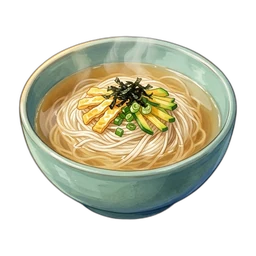
Fine noodles in warm, clear broth, finished with toppings.
Before the first bite
- Spice
- Mild
- Texture
- Brothy · Soft
- Serving
- Usually individual
Varies by restaurantBroth, noodle type and toppings such as kimchi, egg or fried tofu change the bowl.
How to order it in Korea
- Read qualifiers such as fresh noodles or kimchi beside the name. Guksunamu lists a basic fresh-noodle bowl and a kimchi variation. Start with the base description if you want to understand the broth.
- If sauce is separate, taste noodles and broth before adding it. Small additions let you compare the base with the seasoning; you can also keep the bowl as served and enjoy its toppings.
When it may suit the table
- Choose it when you want warm soup but prefer noodles to rice. It suits a broth-centred meal rather than a strongly coated noodle dish. If seasoning is separate, start with the plain broth.
- An individual bowl also suits diners who prefer their own portion. Alternate chopsticks and spoon according to whether you want to focus on noodles or broth, independently of a companion’s pace.
When another path may fit better
- For cold noodles with spicy, tangy seasoning, compare bibim guksu. Janchi guksu has liquid between the strands; bibim guksu carries sauce on them.
- If you prefer a moist meal eaten mainly with a spoon, compare beef and vegetable porridge. Noodles and soup move separately; porridge gathers rice and small pieces together.
At the restaurant
- Guksunamu serves janchi guksu as fresh noodles with broth. Taste a spoonful of broth first, then lift a small portion of noodles to distinguish the seasoning from the noodle texture. If toppings cover the noodles, move some aside to make room for your chopsticks and alternate noodles with broth.
- For delivery or takeaway, ask whether noodles, broth and seasoning are packed separately. If they are, prepare your place setting first and combine noodles and broth when ready to eat. A bowl packed together needs no assembly; choose with your eating plans in mind.
Taste and texture
About the dish
Janchi guksu places fine noodles in warm broth. You can alternate noodles with spoonfuls of soup. Unlike a mixed noodle dish with sauce coating the strands, this bowl has liquid flowing between the noodles and toppings resting above or among them.
Somyeon is familiar, but fresh-noodle versions also exist: Guksunamu lists one on its menu. Consider whether you want fine, soft strands or a more noticeable fresh-noodle bite. The name alone does not fix every bowl’s thickness and texture.
Anchovy and kelp stock is one reference point. Beef-broth versions also exist. Even when little meat is visible, the stock shapes the whole dish, so look beyond the toppings when imagining its flavour.
Finely sliced egg and vegetables can be picked up with the noodles. Other versions use sprouts, chives and fried tofu. These change the bowl from soft egg-led bites to vegetable crunch or tofu richness.
Despite the word janchi, meaning a feast, this need not be a shared platter. Restaurant menus offer individual bowls. It is a useful form for eating at your own pace, alternating noodles and broth without dividing a large meat dish or assembling wraps.
Taste and texture
Try a little broth first to notice its aroma and seasoning, then compare noodles alone with noodles and toppings. Fine strands gather into a sizeable bundle, so lift a manageable amount.
Clear broth flows easily while the noodles form a soft, continuous bite. Here, lightness describes the eating texture. Unlike thick rice porridge, the liquid and solid elements remain distinct, making it easy to alternate soup-only and noodle mouthfuls.
Small toppings make a difference: egg adds another softness, vegetables add bite, and seaweed or sesame adds aroma. Try them with a few strands before dispersing them throughout the bowl.
More guides in this category
Checked sources
Reviewed 2026-10-24 · Next check 2027-04-24