hanip.me
Spaghetti aglio e olio
알리오올리오
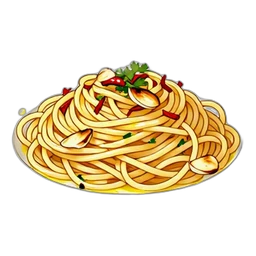
A Neapolitan pasta of thinly sliced garlic sautéed in olive oil and tossed with cooked spaghetti.
Before the first bite
- Spice
- Varies with sauce
- Texture
- Chewy
- Serving
- Usually individual
Varies by restaurantSome versions add red pepper flakes or mushrooms, and grated Parmesan or pecorino may be added even though most traditional recipes leave cheese out. For dietary restrictions or allergies, ask the restaurant whether the food contains your trigger ingredients.
Taste and texture
Aglio e olio is spaghetti tossed in olive oil flavored with cooked garlic. The name means garlic and oil, and the dish centers on garlic and pasta rather than a thick tomato or cream sauce. Versions with peperoncino chili can have noticeable heat despite being oil-based pasta.
Garlic may be sliced, minced, crushed or left whole. Slices remain as distinct bites; tiny pieces disperse through the sauce. Whole cloves are easier to remove after infusing the oil. Some recipes halve the cloves and remove the central shoot. Even with the same number of cloves, cutting and leaving them in different forms changes how garlic is encountered with the pasta.
Alongside round spaghetti, versions use thicker spaghettoni or flat linguine. Thicker strands provide a more substantial centre; flat strands offer broader surfaces for the oil sauce. Transferring pasta slightly underdone lets it finish with cooking water in the pan. Joining it promptly with the reserved hot liquid, rather than drying it, distributes moisture and aroma across the strands.
Fresh sliced chilies or dried flakes can be cooked with garlic to flavour the oil, while finishing flakes give more localised bursts of heat. Barilla also suggests jalapeño in the pan or habanero sauce at the end as spicier variations. Chili type and addition method extend the range of the garlic-oil base; a pale sauce can still be hot.
The risottati method finishes more of the pasta’s cooking in the pan. Partially boiled strands enter the garlic-chili oil and cook further with frequent stirring and added cooking water as needed, resembling risotto. Released starch joins the sauce as liquid is replenished. Parsley finishes a version that manages pasta doneness and sauce consistency together for longer than a brief toss.
A related savoury variation melts oil-packed anchovy flesh into warm garlic oil. Jamie Oliver combines this with lemon juice and dried chili, then adds separately toasted garlic-and-thyme breadcrumbs. The fish disperses into the sauce rather than remaining a large topping, layering salty fish flavour, acidity and crunch onto garlic and olive oil.
Garlic-infused oil coats the pasta lightly, and tossing it with pasta water creates a moist sauce. Its sparse appearance reflects a simple ingredient list rather than a dish of dry noodles. It suits a craving for the distinct flavor of cooked garlic, olive oil and seasoned pasta.
Garlic is cooked gently in oil, with some methods aiming for pale yellow or light gold while avoiding burnt bitterness. Tilting the pan pools oil around the pieces for more even cooking. Chili can infuse the same oil. When pasta is added, that flavoured oil coats each strand, so cooked-garlic aroma comes from the pasta surface as well as visible pieces.
Starch in pasta water helps oil and water combine when stirred or tossed vigorously, forming a smooth coating without cream. If over-reduction leaves an oily sauce, a little more cooking water can restore it rather than simply increasing the oil. The mixture keeps strands moist and carries small garlic and chili pieces with them.
Finely chopped parsley adds green flecks and herbal aroma. Grated cheese or separately toasted breadcrumbs are optional finishes: cheese gives salty depth, while crumbs added after tossing retain a dry crunch against moist pasta. Finely grated lemon zest can add citrus aroma without much juice. These garnishes alter aroma and the final texture.
When it may suit the table
- You want noodles made from just a few ingredients
- You want a bowl without a heavy sauce
When another path may fit better
- You want a rich cream or tomato sauce
- Strong garlic is not what you want today
How to order it in Korea
- Menus write it as “aglio e olio”, and a mushroom version is sometimes listed separately.
- Heat depends on whether red pepper flakes go in, so ask when you order.
Show the Korean nameName and a short phrase
Use this to point out the food or say its name. Check the food-specific ordering tips above first.
알리오올리오
Save, share or print an image
More guides in this category
Checked sources
Reviewed 2026-09-13 · Next check 2027-03-17
- La Cucina Italiana Opens in a new tab.
- Wikipedia Opens in a new tab.
- Food Safety Korea Opens in a new tab.
- Namu.wiki Opens in a new tab.
- Encyclopaedia Britannica Opens in a new tab.
- www.giallozafferano.com Opens in a new tab.
- www.barilla.com Opens in a new tab.
- Vincenzo Prosperi / Vincenzo’s Plate Opens in a new tab.
- Daniel Gritzer / Serious Eats Opens in a new tab.
- Jamie Oliver Opens in a new tab.