hanip.me
Empanada
엠파나다
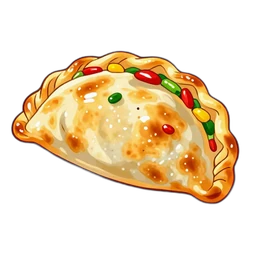
A turnover made by folding dough over a filling and then baking or frying it.
Before the first bite
- Spice
- Varies with sauce
- Texture
- Crisp · Soft
Varies by restaurantDough and filling differ by country: Colombian and Venezuelan versions use a corn dough and are fried, while Filipino ones use wheat flour and come baked or fried. For dietary restrictions or allergies, ask the restaurant whether the food contains your trigger ingredients.
Hanip treats empanada as a challenge food. Reading this guide does not make it appear in ordinary recommendations.
Taste and texture
An empanada encloses a filling in dough that is folded, sealed and baked or fried. Versions occur in Spain, Latin America and elsewhere. A small half-moon is familiar, but the name specifies neither a single dough nor a filling. Meat, cheese and vegetable versions differ through both their wrappers and their centres.
The pastry is a flavour layer of its own. Layla Pujol's baked example combines flour, butter, egg and water or milk before rolling, filling and sealing. It illustrates possible egg and dairy ingredients, not a universal formula. Dough thickness and composition change the bite as much as the filling does.
Erica Dinho's Colombian example uses masarepa, precooked cornmeal, around mashed cooked potatoes and fried ground meat, then fries the parcels. The potato forms a soft foundation through the meat rather than remaining in large separate pieces. Both wheat pastries and corn-dough fritters bear the name, so a yellow wrapper does not establish a cheese filling.
Fillings may combine meat with onion and seasonings or feature cheese, corn and vegetables; sweet versions also exist. A meat empanada need not contain only meat. Potato or vegetables provide texture and moisture between the pieces, allowing identically shaped parcels to taste quite different.
Pierogi also wrap a filling in dough but are principally boiled, whereas empanadas offer a baked or fried exterior. Unlike an open tart, the dough surrounds the centre. Folded edges therefore give a dough-focused bite, while the middle brings wrapper and filling together.
Fried empanadas contrast a crisp shell with a softer centre, but frying does not necessarily produce laminated pastry layers. A corn wrapper's brittle crust differs from the bite of wheat dough. Knowing the dough makes a description such as “crispy” more useful.
Baking browns and dries the exterior, bringing out the pastry's flavour. A buttery dough still tastes rich; baked does not mean fat-free. The moist centre and unfilled folded rim feel different. A large bite of the edge emphasises dough, while cutting through the centre combines both layers.
Potato and meat provide a soft, floury foundation with small meaty pieces. Warm cheese is softer and melting, while corn or vegetables contribute different sweetness and bite. Heat is not fixed by the name: filling seasonings and an accompanying sauce contribute separately.
Dinho serves her Colombian example with ají and lime; this is not a promise about Korean restaurant accompaniments. If a sauce is provided, try dipping one edge. This adds acidity or heat while retaining some uncoated crisp shell and the flavours of the filling.
When it may suit the table
- A good choice for individual filled pies. The enclosed filling makes small parcels convenient to divide, though size and filling quantity vary. If several versions are offered, sharing different fillings can be enjoyable.
- Choose it when savoury meat or cheese together with pastry or a fried shell sounds appealing. The dough remains part of every bite, unlike a dish focused solely on its filling.
When another path may fit better
- If avoiding fried food, ask about preparation. A baked option may be available, but it can still contain butter or cheese. Choose a different dish if the crisp wrapper itself is unappealing.
- It differs from a soup-centred meal or dough eaten in broth. Even a moist filling makes this a pie to bite through, not a soup dish.
How to order it in Korea
- Look for “empanada” on the menu, or check the English spelling if the Korean name isn't listed.
- Restaurants differ on baked versus fried and on the filling, so ask which one they serve before ordering.
Show the Korean nameName and a short phrase
Use this to point out the food or say its name. Check the food-specific ordering tips above first.
엠파나다