hanip.me
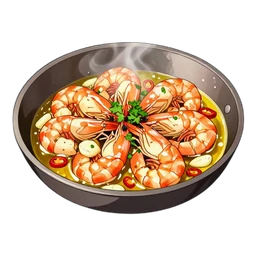
Gambas al ajillo
감바스 알아히요
A Spanish tapa of peeled prawns cooked with garlic in olive oil.
Before the first bite
- Spice
- Varies with sauce
- Texture
- Tender
- Serving
- Usually shared
Varies by restaurantPreparations differ, with some adding a splash of sherry or white wine, parsley, paprika or chili pepper. For dietary restrictions or allergies, ask the restaurant whether the food contains your trigger ingredients.
Taste and texture
Gambas al ajillo is a Spanish dish of shrimp cooked with garlic and olive oil. Al ajillo describes a garlic-and-oil preparation, so the dish includes flavored oil as well as shrimp. Chili or parsley may be added, while shrimp and garlic remain the focus.
One method first flavours olive oil with thin garlic slices. Karlos Arguinano removes the golden slices and returns them after cooking the shrimp, limiting further browning. Other methods leave garlic with the shrimp, but heavily burnt garlic can taste bitter. The slices both flavour the oil and remain as edible pieces that coat the shrimp with the surrounding oil.
Shrimp are peeled, deveined and drained of surface moisture. Arguinano dries thawed shrimp so excess water does not enter the oil. His langostinos al ajillo applies the same garlic-and-olive-oil preparation to larger prawns. Small shrimp form smaller bites, while larger ones give a thicker piece of flesh. Peeled surfaces meet the flavoured oil directly, with garlic pieces collecting around the curved bodies; size changes the thickness and eating unit.
The remaining liquid tastes different from plain olive oil because shrimp juices mingle with the garlic oil. Arguinano describes the juices mixing with the oil and changing its colour. Moving the pan or stirring combines garlic, chili and shrimp juices, carrying shrimp flavour into the liquid. It remains an oil-based mixture with moisture from the seafood rather than a sauce thickened with cream or flour; both the glossy coating and liquid below contribute flavour.
A variation adds dry sherry or very dry white wine. Lauren Aloise’s family recipe adds sherry while the shrimp cook in garlic-chili oil, then stirs in a little butter off the heat. Wine contributes liquid and aroma; butter adds dairy flavour and softness to the olive oil. Chopped parsley finishes with colour and herbal aroma. The author identifies butter and sherry as a variation, distinct from versions relying on garlic and olive oil alone.
A pintxo variation puts shrimp on skewers instead of loose in a dish. Spanish Sabores removes heads and body shells while retaining tails, then threads each shrimp at both ends to hold a C shape. The skewers cook on both sides in garlic olive oil and are plated with lemon and parsley. They are lifted as skewers rather than picked individually from oil. Lemon adds finishing acidity, with crusty bread suggested alongside.
Springy shrimp takes on the aroma of garlic oil, with gentle heat when chili is included. The sauce is flavored olive oil rather than thick cream, and it retains the garlic flavor after the shrimp is eaten. If bread is served, dipping a little into the oil is one way to enjoy it.
The intended shrimp texture is springy yet moist. Extended heating can make the flesh drier and tougher; both recipes note that hot oil and the vessel keep cooking it after removal from heat. Flavouring the oil first separates aroma development from cooking the flesh. Garlic spreads through the oil, while shrimp springiness is felt in each body and chili or parsley adds local bursts of heat or herbal aroma.
Bread provides another way to carry garlic oil. Its crust supports the piece while an airy crumb absorbs the aromatic liquid. The dipped surface softens while dry crust retains crunch, releasing the same seasoning differently from a thin coating on shrimp. In the pintxo version, finishing lemon adds acidity against the garlic and oily base. Parsley and lemon contribute herbal aroma and sourness respectively.
When it may suit the table
- A late night when you want something rich with garlic
- You want one plate to share around the table
When another path may fit better
- You need something lighter and less oily
- You would rather avoid a strong garlic smell
How to order it in Korea
- Look for gambas al ajillo on the menu and check that it is the prawn-and-garlic dish you expect.
- Some kitchens add chili pepper or paprika, so ask about the heat when you order if that matters.
At the restaurant
- Take care around the hot oil and serving dish.
- Because the full name is long, Korean menus often shorten it to just “gambas.”
Show the Korean nameName and a short phrase
Use this to point out the food or say its name. Check the food-specific ordering tips above first.
감바스 알아히요
Save, share or print an image
More guides in this category
Checked sources
Reviewed 2026-09-13 · Next check 2027-03-17