hanip.me
Gnocchi
뇨끼
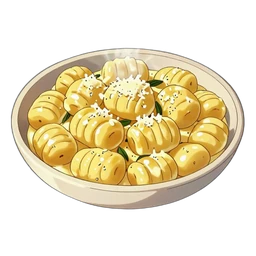
Gnocchi are Italian pasta-like dumplings of flour and potato dough, boiled and then dressed with sauce.
Before the first bite
- Spice
- Not spicy
- Texture
- Soft
- Serving
- Usually individual
Varies by restaurantThe dough may add semolina, cheese, breadcrumbs, cornmeal, herbs or vegetables, and the sauce ranges from melted butter with sage to pesto. For dietary restrictions or allergies, ask the restaurant whether the food contains your trigger ingredients.
Hanip treats gnocchi as a challenge food. Reading this guide does not make it appear in ordinary recommendations.
Taste and texture
Gnocchi are Italian dumplings made from small portions of dough. Potato and flour are familiar, but the name does not mean potato alone: ricotta- and semolina-based versions also exist. Instead of winding long pasta strands, you eat individual pieces that compress softly in the mouth. The dough's main ingredient matters as much as its sauce.
Potato gnocchi combine previously cooked, mashed or riced potatoes with flour. Some formulas include egg or yolk; others omit egg. They are a combined dough, not potato pieces dusted with a flour coating, so the same foundation continues through the centre.
Moisture and flour affect the texture. GialloZafferano explains that low-moisture, starchy potatoes need less flour. Excess flour or prolonged working can make the result firm. The dough must hold together during cooking while preserving the potato's soft character.
Rolling and cutting ropes of dough, then passing the pieces over a fork or ridged board, creates grooves and hollows. After cooking in water, gnocchi can be dressed with sauce or browned in butter. They therefore need not always have a smooth, wet exterior: boiling and pan finishing contribute different textures.
Other versions help explain similar menu names. Ricotta-based malfatti can include spinach, while gnudi are centred on ricotta. Roman-style gnocchi use semolina and are baked with cheese. These are related dumplings with different foundations and shapes, rather than identical small potato bites.
Cooked potato gnocchi have a soft, floury centre distinct from the chew of wheat noodles. They are not all equally melting: potato-to-flour ratio, eggs and size affect firmness and density. Think of a dumpling that yields and separates, rather than the strong resistance of a chewy rice cake.
Gnocchi dressed straight from the water remain moist outside. Pan-browned ones develop a savoury exterior on the contacting surface, surrounding the soft dough rather than forming an all-over deep-fried shell. Browned faces and softer sides can give contrasting sensations within one piece.
Butter and sage bring richness and herb aroma to mild potato. Pesto coats it with the flavours of herbs, cheese and other sauce ingredients, whereas tomato adds acidity and moisture. With a relatively mild dough, sauce strongly shapes the overall bite.
A Sorrento-style example combines tomato sauce, mozzarella and basil. Compared with a light butter dressing, it adds melting cheese and tomato flavour. Cheese on potato dumplings does not mean the dough itself is cheese-based; this differs from ricotta used as the main dough ingredient.
Grooves and hollows hold sauce alongside the dumpling. Try lifting a piece with a little sauce rather than stripping it or crushing everything together. Include a browned face when present, linking its savouriness with the tender centre. The individual pieces are already manageable without mashing them into a purée.
When it may suit the table
- It suits a craving for tender potato dough and warm sauce. Butter and herbs may appeal if you want mild flavours, but heat depends on the sauce.
- Choose it for Italian sauces with a different bite from long pasta: sauce accompanies individual dumplings that you lift rather than wind.
When another path may fit better
- Boiled gnocchi will not satisfy a desire for an entirely crisp fried dish. Even browned versions retain soft centres; a crisp surface is different from all-over crunch.
- If avoiding wheat or potato, check the actual dough. Ricotta versions may still use flour, and potato versions may include egg; a substitute ingredient in the name does not establish the full formula.
How to order it in Korea
- Look for Gnocchi and ask whether the dough is potato-based or another kind. If you want a browned surface, ask about a pan finish.
- Check whether the sauce is butter, tomato or pesto, since the sauce changes the dish entirely.
Show the Korean nameName and a short phrase
Use this to point out the food or say its name. Check the food-specific ordering tips above first.
뇨끼
Save, share or print an image
More guides in this category
Checked sources
Reviewed 2026-08-25 · Next check 2027-04-14