hanip.me
Tongdak
통닭
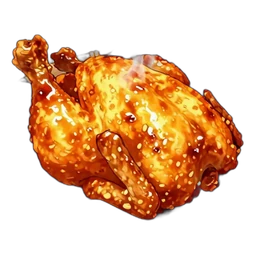
A whole chicken deep-fried until crisp instead of being cut into pieces.
Before the first bite
- Spice
- Not spicy
- Texture
- Crisp
- Bones
- Usually bone-in
- Serving
- Usually shared
Varies by restaurantThe sauce and the frying method differ by shop, and many places sell both a plain fried version and a seasoned one. For dietary restrictions or allergies, ask the restaurant whether the food contains your trigger ingredients.
Taste and texture
Tongdak is a chicken cooked without being divided into many pieces. It may be fried or roasted; this guide mainly describes the version with crisp fried skin. Wings, legs and breast meat are pulled from one bird, so skin, meat and bones arrive together. Unlike boneless chicken, the parts have different shapes and different amounts of edible meat.
Some market-style recipes keep the body whole, while others split one chicken lengthwise into two halves before frying. Each half still has large connected sections of wing, leg and breast, unlike a collection of small fried pieces. One method seasons the chicken with salt and pepper, dusts it lightly with flour, then dips it in batter to form a coating over the skin.
The coating is not limited to flour mixed with water. One market-style recipe combines potato starch and flour with roasted soybean powder, egg and cold water. Starch and flour form the base, while roasted soybean powder contributes nutty aroma and color. Lifting the chicken to let excess batter run off produces a thin coating rather than a thick accumulation of flour.
Another method fries the chicken, lifts it onto a mesh strainer, then fries it again. This market-style version is served without tossing the finished chicken in sweet sauce, leaving a delicately crisp surface over soft meat. Some recipes first fry pieces of onion in the oil and remove them. Here the onion is used during frying rather than piled raw on top of the chicken.
Gamasot tongdak from Suwon's chicken alley is described as a regional dish fried in a large cauldron. Korea Tourism Organization mentions onion and garlic seasoning, plain and sauce-coated chicken, and gizzards served alongside. Dak-ttongjip is the food name for chicken gizzard. These separately prepared parts supplement the meat on the bird; gizzards are not included with every tongdak order.
Seasoning is one way old-style chicken shops express their own approach. A Seoul shop described by chef Kim Dong-gi fries its chicken in a cauldron without brining it; he characterizes the result as mild and slightly dry. The same shop sells both plain fried and sauce-coated versions. Alongside market-style recipes that season with salt and pepper, this is a specific example of lightly seasoned old-style chicken.
Roasted tongdak is cooked whole on an oven rack rather than immersed in frying oil. A recipe that rubs the bird with garlic, olive oil, salt and pepper, then brushes it with butter, adds garlic and butter aromas to the skin. Fat drips below the rack, and the browned bird is taken out and cut into portions. It shares the name tongdak but has roasted skin without batter.
The first sensation of fried tongdak is the skin and coating breaking together. Preseasoned chicken stays savory as you chew the meat, while lightly seasoned chicken gets extra saltiness from a dip. Batter containing roasted soybean powder is one example with a pronounced nutty aroma. Under the coating, skin and meat form further layers, so a piece of crisp surface feels different from a bite that includes the meat.
Within one bird, breast meat forms a substantial section, while wings have skin and meat to remove from around the bones. Leg meat is also pulled from a central bone. A chicken cooked whole or in halves has these parts connected on the plate, requiring more pulling apart than pieces of meat already cut to the same size. Crisp skin is spread across the different parts.
Sauce-coated tongdak puts sauce on the fried surface, so its flavor reaches the mouth before the meat. Salt served with plain fried chicken concentrates saltiness where you dip it, while separate sauce lets you wet only part of the skin. One market-style recipe mixes salt, pepper, toasted sesame seeds and a little chili powder for dipping. Its heat comes from the accompaniment rather than the plain fried chicken itself.
Chicken-mu is pickled radish that adds crunch and tartness beside the chicken. Cool, moist radish accompanies the crisp coating and soft meat. The surface of fried chicken can soften as it sits, making the delicate crunch especially characteristic of a freshly served portion. Roasted tongdak instead combines the aroma of browned skin with the texture of the meat, without a crumbling layer of batter.
When it may suit the table
- You need a hearty dish to share with a group
- You are craving something fried and crisp
When another path may fit better
- Deep-fried food feels too heavy
- You would rather eat without bones
How to order it in Korea
- Look for “tongdak” on the menu and check that it is a whole chicken fried in one piece, not chicken cut into parts.
- For the fried skin on its own, check whether the chicken comes without a sauce coating. Coated chicken and sauce served on the side differ in how much sauce touches the skin, even with the same flavor. Alongside the name tongdak, check the coating thickness and how the sauce is served.
Show the Korean nameName and a short phrase
Use this to point out the food or say its name. Check the food-specific ordering tips above first.
통닭
Save, share or print an image
More guides in this category
Checked sources
Reviewed 2026-09-13 · Next check 2027-03-24